Project Background
The Southwest Missouri Council of Governments (SMCOG) represents the following 10 counties in Southwest Missouri: Barry, Christian, Dade, Dallas, Greene, Lawrence, Polk, Stone, Taney, and Webster Counties. The Ozarks Transportation Organization (OTO) is located within this area but is not included in the project. This plan will identify transportation safety improvements for each county and its communities.
Like many regions, SMCOG faces the challenge of meeting the wide-ranging transportation needs of its community - whether people are commuting to work, heading out for fun, or just taking care of everyday errands. Creating a system that works well for everyone is tough, and making sure it’s also as safe as possible adds another layer of complexity.
The good news? SMCOG has received a Safe Streets for All (SS4A) grant to help tackle this challenge. The goal is to find smart strategies and set clear priorities to eliminate traffic deaths and serious injuries. While data and analysis are key parts of the process, hearing directly from the community is just as important. Lived experiences can reveal things that numbers alone can’t.
Your Voice Matters!
We want to hear from you to understand your vision for roadway safety in the SMCOG region. Add your comments to the Interactive Map below and take the survey.
The project team will attend three in-person pop-up events to gather input and perspectives from community members that will help shape the plan. Public participation provides insights that data cannot capture, supports data findings, and fosters greater community support for the final adoption of the plan.
Project Timeline
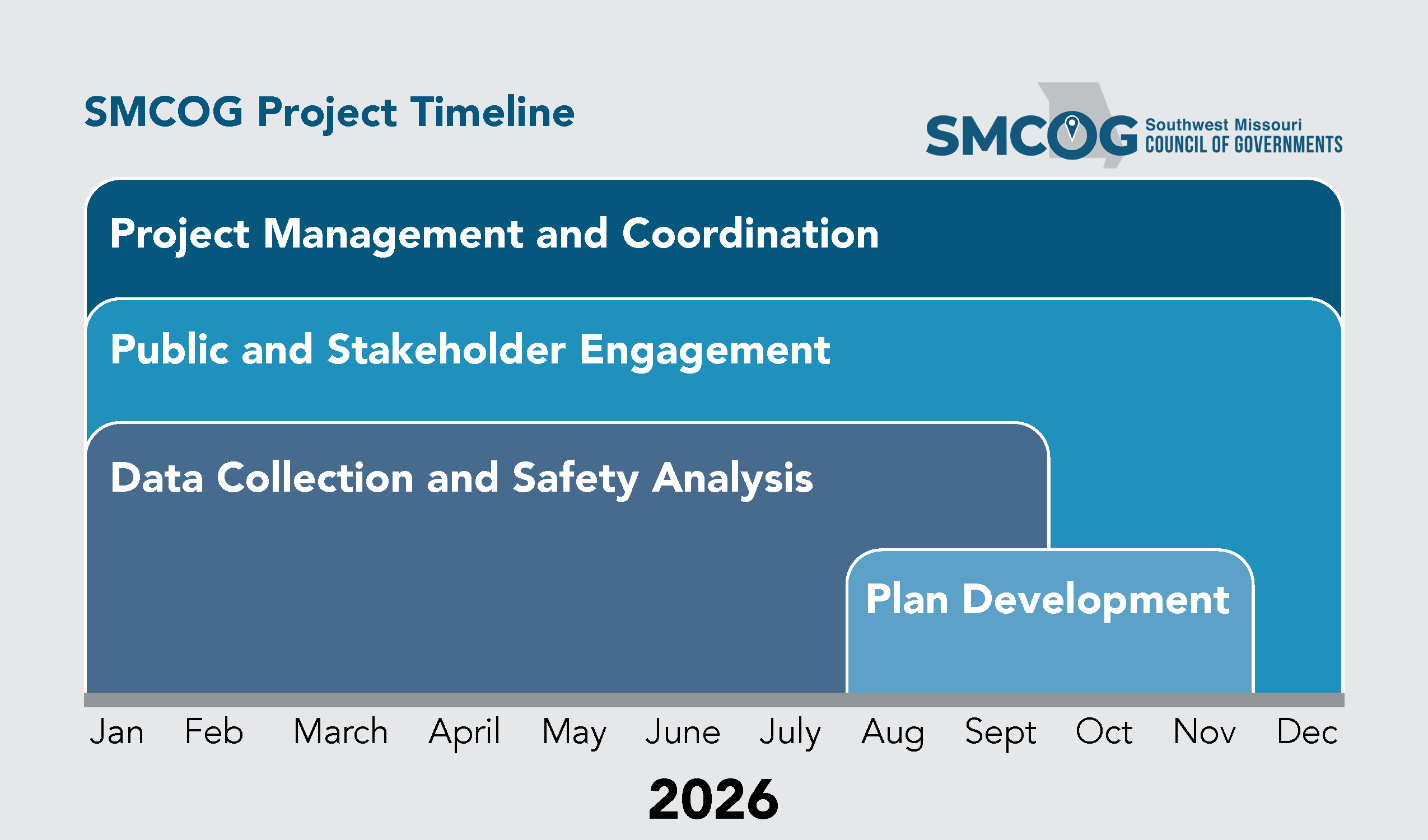
The Safety Action Plan is being developed over the course of approximately one year, beginning in early 2026 and concluding in early 2027.
Early phases of the project focus on project setup, coordination, and data collection, including analysis of five years of crash data and identification of high-injury corridors and emphasis areas. Mid-project activities include community engagement, policy review, and development of prioritized safety strategies and projects.
The final phase of the project will result in a completed Safety Action Plan and Implementation Plan that outlines near-, mid-, and long-term actions, funding pathways, and performance measures to track progress over time.
The Safe Streets and Roads for All (SS4A) program is a federal initiative that helps communities reduce roadway deaths and serious injuries and is administered by the U.S. Department of Transportation. 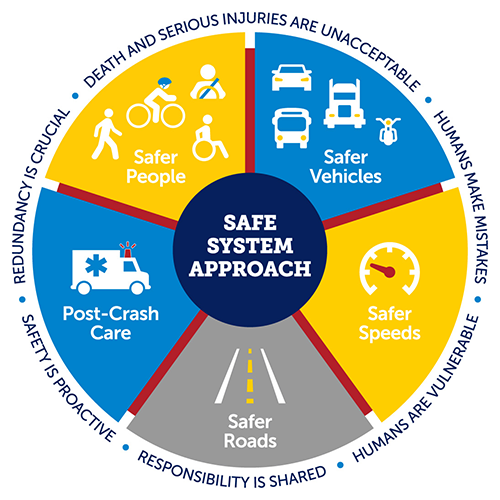
This plan is supported by the federal Safe Streets and Roads for All (SS4A) program, which helps communities prevent roadway deaths and serious injuries through planning and implementation grants. SS4A emphasizes a Safe System approach, recognizing that people make mistakes and that roadways should be designed to reduce the likelihood and severity of crashes.
Public and stakeholder engagement is a required and essential part of the SS4A program. Safety challenges differ across communities, and local knowledge helps ensure that strategies are equitable, practical, and responsive to real-world conditions. By engaging residents and partners throughout the process, SMCOG is working to develop a plan that reflects regional needs and supports lasting safety improvements.
Guiding Principles
The public engagement plan supports the following guiding principles:
Meaningful Engagement: Public involvement will be intentional, productive, and respectful of participants’ time.
Valued Feedback: Community feedback will be actively considered and will shape the recommendations and priorities in the Action Plan.
Inclusive Participation: All community members will have opportunities to contribute.
Actionable Outcomes: Public engagement will help develop an SS4A Action Plan that is practical, implementable, and focused on delivering tangible improvements to roadway safety.
Safety Partners and Stakeholders
The Safety Action Plan is being developed through close coordination with a wide range of regional partners and stakeholders. These include SMCOG staff, local governments, transportation agencies, emergency responders, and public health and safety professionals.
This collaborative approach ensures that the plan reflects local priorities, leverages existing initiatives, and aligns with best practices in roadway safety. Community members are also critical partners in this process. Their day-to-day experiences help identify safety concerns that may not be fully captured through crash data alone.